ADA Easily Accessible Portable Toilet Criteria for Rental Decision-Makers
When individuals rent mobile bathrooms, they generally begin with headcount, distribution timing, and spending plan. Access often gets treated like a box to examine at the end. That is where difficulty starts.
An ada accessible portable restroom is not a specialized add-on for a narrow team of users. It is part of fundamental gain access to. If someone comes to an occasion, public celebration, or various other short-lived site and can not separately make use of the bathroom due to the fact that the system selection or positioning was careless, the failing is prompt and individual. It impacts self-respect, safety, and whether that individual can remain at all.
For rental decision-makers, the concern is not just whether to include one ada portable restroom The genuine question is whether the units you rent, and the way you position them, associate the federal availability criterion that controls this area in the United States. The controlling benchmark is the 2010 ADA Standards for Accessible Design, as interpreted by the Accessibility Board and the Department of Justice. That matters due to the fact that many errors take place in the gap in between getting an obtainable unit and in fact giving access.
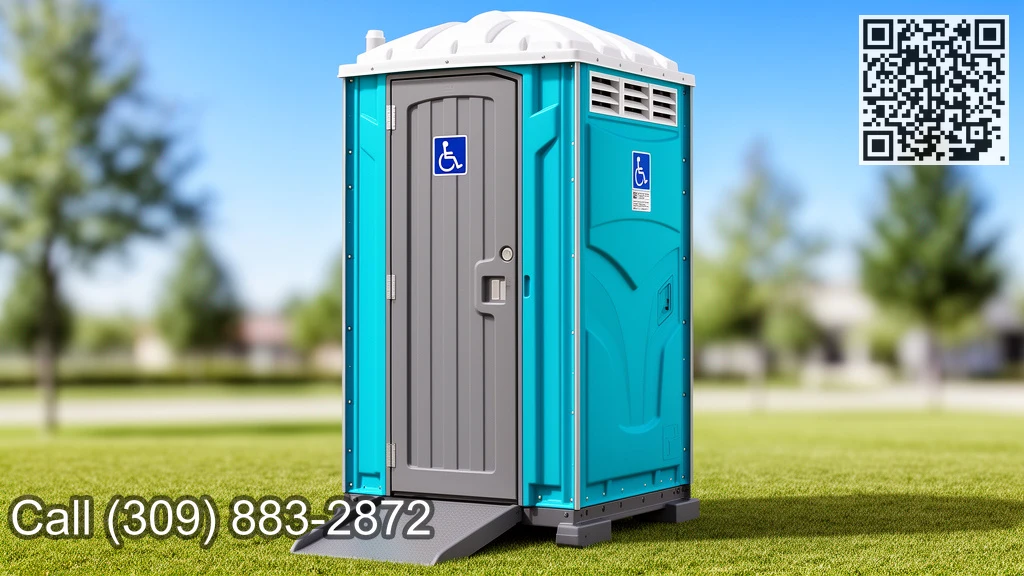
I have actually seen this play out in acquainted means. A coordinator orders an ada compliant mobile toilet and thinks the work is done. Then the system shows up and obtains put on soft ground, behind other toilets, or at the end of an incline that makes the method tough or difficult. On paper, an accessible device was consisted of. In technique, access was never ever provided.
The standard that drives the decision
For basic mobile bathroom leasings, accessibility is not optional. The ADA criteria attend to portable bathroom collections, and the Access Board has made clear that the regulation applies even at short-term occasions. If you have a collection of single-user mobile bathroom units, at the very least 5 percent of the systems because collection have to be accessible.
That percent seems simple https://paxtonvzyp034.rivetgarden.com/posts/ada-certified-portable-commode-rental-when-availability-identification-matters till you are making real rental decisions. If a website has several toilet clusters spread out across a residential property, the evaluation has to do with each cluster, not just the complete matter throughout the entire occasion. Decision-makers occasionally believe one obtainable unit someplace on website covers everything. That can be a costly misconception if the easily accessible system is isolated far where people actually are, or if one more cluster has none.
This is why the phrase ada portable bathroom requirements must not be minimized to an item requirements alone. The requirement is partially about the variety of devices, yet it is also about location, route, entrance, and functional interior area. Accessibility resides in the full setup.
There is one crucial limit to maintain right. The standards differentiate portable commode devices at construction websites that are used exclusively by construction workers. Those devices are treated differently under the older 1991 scoping language referenced in federal products. For general ada mobile toilet rental decisions outside that slim context, the accessible-unit need stays the operative issue. If your use situation is public-facing, event-based, customer-facing, or otherwise not limited solely to construction personnel, you must not presume any kind of exemption.
What "easily accessible" indicates in practice
A portable system does not end up being compliant because the supplier labels it as accessible. A true ada certified available mobile restroom has to satisfy several layers of access expectations.
First, it should be identifiable. Available mobile bathroom systems must present the International Symbol of Ease Of Access. That is basic, yet it is more vital than it appears. If the easily accessible system is not clearly significant, customers may lose time searching, request for assistance they must not need to request for, or presume no available option exists.
Second, the system needs to be on an available path and have an easily accessible entryway. This is where several rental arrangements fail. Also the very best ada-compliant mobile restrooms can come to be unusable if they are placed where the path is obstructed, unpredictable, or disconnected from the rest of the site. If ramps or touchdowns are required, those elements must meet the relevant ADA technological requirements too. A makeshift fix at shipment is not instantly an available fix.
Third, the commode system itself must fulfill the technical toilet-room demands that apply. Federal assistance indicate component clearances, turning space, door steering clearances, and the suitable grab-bar and water-closet clearance guidelines. For a decision-maker, that means you are not simply renting a larger box. You are leasing an area that must function dimensionally genuine customers with actual movement needs.
That distinction matters due to the fact that some people shop by outside appearance. They request the "big one" or the "wheelchair device" without validating whether the version supplied is really meant to function as an ada certified mobile toilet Size alone is not the standard.
The count is just the beginning
The 5 percent rule often obtains duplicated without enough context. It is useful, yet it can create incorrect confidence. If you have twenty single-user mobile toilets in one cluster, at least one need to be accessible. That appears manageable, and typically it is. But if that accessible system is locked, boxed in by crowd-control fencing, or put where the course is damaged, the number does not conserve you.
I encourage rental decision-makers to believe in layers. Begin with amount, after that relocate promptly to use. Ask yourself whether a person who makes use of a flexibility device can reasonably discover the unit, reach it, open it, maneuver inside it, and utilize it with personal privacy and independence. The regulation utilizes technological language, yet the dry run is human.
There is also a site-planning problem that turns up at momentary occasions. Portable washroom clusters commonly obtain pushed to the edges of a location due to the fact that they are not rather, they require service access, or planners wish to keep them away from food areas. That impulse can undermine accessibility. A remote positioning may create a lengthy or unequal route. It might also divide the easily accessible unit from the primary customer circulation. In some cases the least expensive placement develops one of the most pricey problem.
Placement decisions are where lots of certified leasings end up being noncompliant setups
In genuine procedures, positioning is where the void opens in between documents and real gain access to. A vendor might provide an ada handicap available mobile restroom that is built for ease of access, yet the site team or occasion team can still make it unusable in the final hour.
One common error is treating the accessible unit as an afterthought throughout load-in. Standard devices obtain aligned initially. After that the larger available device obtains put onto the end anywhere space is left. If that leftover room creates a poor approach or uncomfortable door maneuvering conditions, the rental has actually already drifted off course.
Another error is overlooking the route from auto parking, drop-off, or core activity areas. The basic calls for an easily accessible route and entrance. Decision-makers often focus on what occurs at the bathroom door and fail to remember the method. A device reached just by rough ground or an improvised path can fail the very individuals it was indicated to serve.
I have likewise seen accessible systems used as storage buffers due to the fact that they are roomier inside. Personnel tuck away materials there throughout setup and guarantee to remove them out later. In some cases they do. Often they fail to remember. The bigger interior that is meant to support turning room becomes a benefit storage room. That is not a triviality. It beats the objective of the easily accessible unit.
Questions worth asking before you sign the rental agreement
A short discussion prior to distribution can protect against a long day of clambering on site. The most effective suppliers are usually direct concerning what their systems are designed to do, but the concern of excellent decision-making still sits with the renter.
Here are the concerns that matter most:
- How several single-user units will be in each collection, and the amount of easily accessible devices are included for each cluster?
- Is the device plainly identified with the International Symbol of Accessibility?
- What site conditions are needed to provide an obtainable course and easily accessible entrance?
- If ramps or touchdowns are called for, who is accountable for providing ADA-compliant ones?
- Has the last placement strategy been examined with access in mind, not just delivery convenience?
That checklist looks straightforward, however it forces the ideal conversation. Notice that just one question is about the system itself. The others manage scoping, path, and responsibility. Those are the places where services frequently go wrong.
Temporary does not mean exempt
This factor is worthy of emphasis due to the fact that it is typically misinterpreted. The Accessibility Board has actually clearly mentioned that the 5 percent accessible-unit regulation applies to mobile commode clusters even at momentary events. The reality that an event lasts someday, one weekend break, or one week does not remove accessibility obligations.
That matters across a large range of settings, though the lawful information of a specific occasion can vary and ought to be reviewed with guidance when risks are high. The sensible lesson is uncomplicated. If your occasion is short-lived, do not presume you have more versatility than the standard permits. Momentary problems still need to be obtainable conditions.
There is a state of mind behind this complication. Some organizers see mobile bathrooms as inherently momentary devices, and since they are short-term, they presume compliance can be looser. Federal accessibility policies do not work that way here. A momentary toilet that the public need to use is still a bathroom that needs to come under the governing criterion when the scoping triggers apply.
Why clusters matter so much
The word "cluster" is simple to skim previous, yet it has real consequences. Mobile washrooms are commonly dispersed throughout a home in several collections. One collection may rest near the entrance, another by a performance location, and one more near car park. If you just count the overall number of bathrooms on site and then supply one accessible system someplace, you can end up with an arrangement that leaves component of the site successfully inaccessible.
That is why skilled coordinators map commode locations early, on time. They do not just ask, "Do we have an easily accessible system?" They ask, "Where is each collection, and does each collection satisfy the access demand?" This is particularly essential when website plans evolve. A late adjustment to relocate a cluster or split it in two can quietly produce a compliance problem if the obtainable matter and placement are not adjusted.
For large sites, this becomes a sychronisation issue in between logistics, operations, and whoever is accountable for ADA conformity. If those functions are split throughout teams, somebody needs authority to state, "Quit, we changed the collection plan, so we require to take another look at the obtainable bathroom plan." Without that checkpoint, the last setup can drift away from the initial compliant design.
Product labels can misguide, so insist on specifics
The market makes use of a number of overlapping expressions: ada certified portable restrooms, ada-compliant mobile toilet, ada compliant portable toilets, and ada available mobile restroom Those tags serve for search and purchase, but they can develop a false sense of accuracy. Not every discussion utilizes the exact same terms carefully.
A supplier could describe an unit as wheelchair available in a basic sense. Another may market a large mobile toilet and presume customers will treat it as obtainable. Those descriptions are not nearly enough on their own. What issues is whether the system and its setup please the access standards that in fact apply.
That is why I favor plain, practical follow-up questions over marketing language. Ask whether the device is intended to satisfy ADA access expectations for portable bathroom use. Ask how it is determined. Ask what placement conditions should exist for certified usage. Ask that is in charge of route conditions and any kind of required ramps or landings. Those concerns cut through branding fast.
The human side of a technical standard
The technical regulations exist because people need room to relocate, turn, method, and use fixtures securely. It is easy to forget that when the discussion gets hidden in purchase terms.
For somebody that utilizes a mobility device or various other movement gadget, the distinction in between a convenient device and a badly put one is not subtle. A door that can not be approached appropriately, a path that damages down in the last couple of feet, or an interior that does not permit correct handling can finish the interaction prior to it begins. The person might have to look for help, leave the occasion, or endure discomfort and embarrassment.
That is why I often tend to press back when ease of access obtains mounted as "unique accommodation." Toilet accessibility is standard participation. If people can not use the centers given, they are not fully included in case or setting. A sound ada mobile commode rental plan supports participation, size of keep, and the simple capacity to be present without additional negotiation.
Compliance belongs to a broader enforcement climate
Accessibility expectations are not fading into the history. If anything, they are being strengthened in a wider conformity atmosphere. Federal ADA task has actually proceeded throughout industries, including current guidance on electronic availability deadlines for state and city government entities. That guidance is about web and mobile access, not portable commodes, however it mirrors something vital for rental decision-makers: ADA compliance continues to be active, noticeable, and enforceable.
That more comprehensive environment issues since organizations in some cases deal with physical availability decisions as low-risk if they are short-lived or functional. That is not a safe presumption. Even aside from lawful exposure, accessibility failings travel swiftly via participant comments, public complaints, and track record. A washroom problem is memorable for all the incorrect reasons.
A functional evaluation prior to distribution day
The cleanest ADA planning occurs before the vehicle ever rolls. Once systems are onsite, every adjustment costs even more time, more money, or both. Prior to delivery, it aids to go through a basic testimonial with your operations team and vendor.
Use this five-point check:
- Confirm the number of devices in each cluster and verify that a minimum of 5 percent are accessible.
- Confirm which details unit or systems are the available ones which they will show the availability symbol.
- Review the precise positioning place, including the path users will take to get to the unit.
- Resolve beforehand whether ramps or touchdowns are required and who is providing them.
- Protect the available system from being blocked, repurposed, or relocated throughout setup.
That last point deserves a lot more regard than it typically gets. Even when an easily accessible device shows up in the appropriate quantity and the right model, it can still be endangered by laid-back functional choices after shipment. One of the most typical ease of access failures are not constantly significant. Often they are ordinary oversights that nobody owned.
Good decisions start with a wider interpretation of "rental"
A lot of procurement groups assume they are leasing a toilet. In reality, they are leasing access to sanitation for a combined public. That is a bigger duty. It consists of the unit, the count, the path, the entry, the identification, and the final problem in the field.
If you come close to the job in this way, the phrase ada compliant available mobile restrooms stops sounding like an item classification and starts sounding like an operational outcome. That change serves. It moves focus from catalog language to real-world use.
For most decision-makers, the very best course is not made complex. Comprehend that the 2010 ADA Standards control. Bear in mind that at the very least 5 percent of single-user portable toilet systems in each collection have to come, even at momentary events. Ensure easily accessible devices are identified with the International Sign of Accessibility. Deal with route, entryway, ramps, and landings as component of the requirement, not additionals. And never presume that a bigger system, a vendor tag, or a short-term setup immediately satisfies the standard.
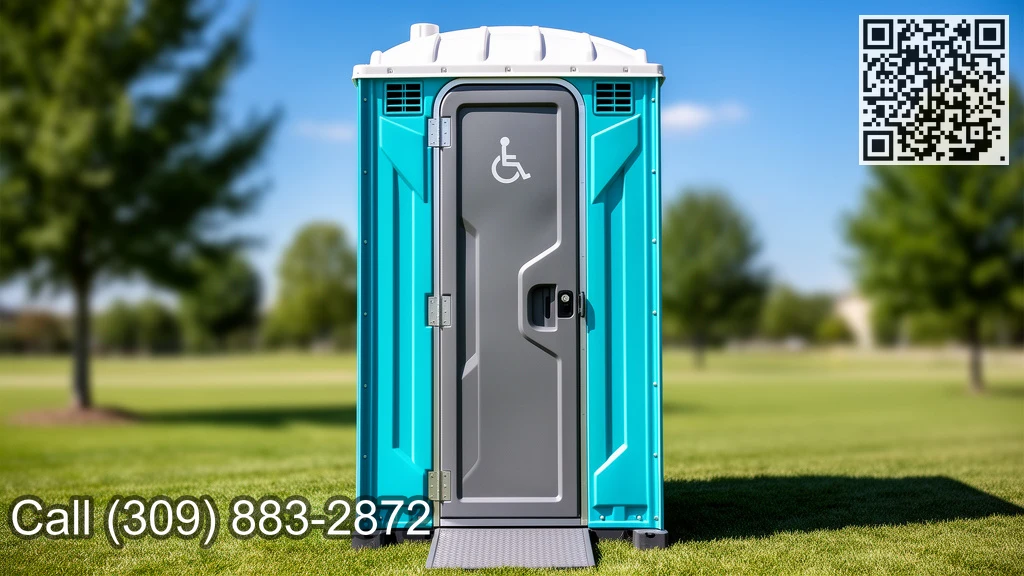
That is just how thoughtful service choices obtain made. Not by checking a box, yet by making sure the washroom can in fact be used by the people it is supposed to serve.
 Ask ChatGPT
 Ask Grok
 Ask Perplexity
 Ask Claude
 Ask Google AI
 Ask You